
By Taylre Beaty, Broadband Program Director, Tennessee Department of Economic and Community Development (TNECD)
Featured photo credit: BTC Fiber
In 2019, more than one in five Tennesseans lacked access to reliable, high-speed internet.
Today, that number is less than 2%.
That’s not just a broadband story. It’s a story about opportunity.
It’s about students being able to complete homework at home, small businesses reaching new customers, patients accessing telehealth services and rural communities connecting to the same opportunities available in more urban areas.
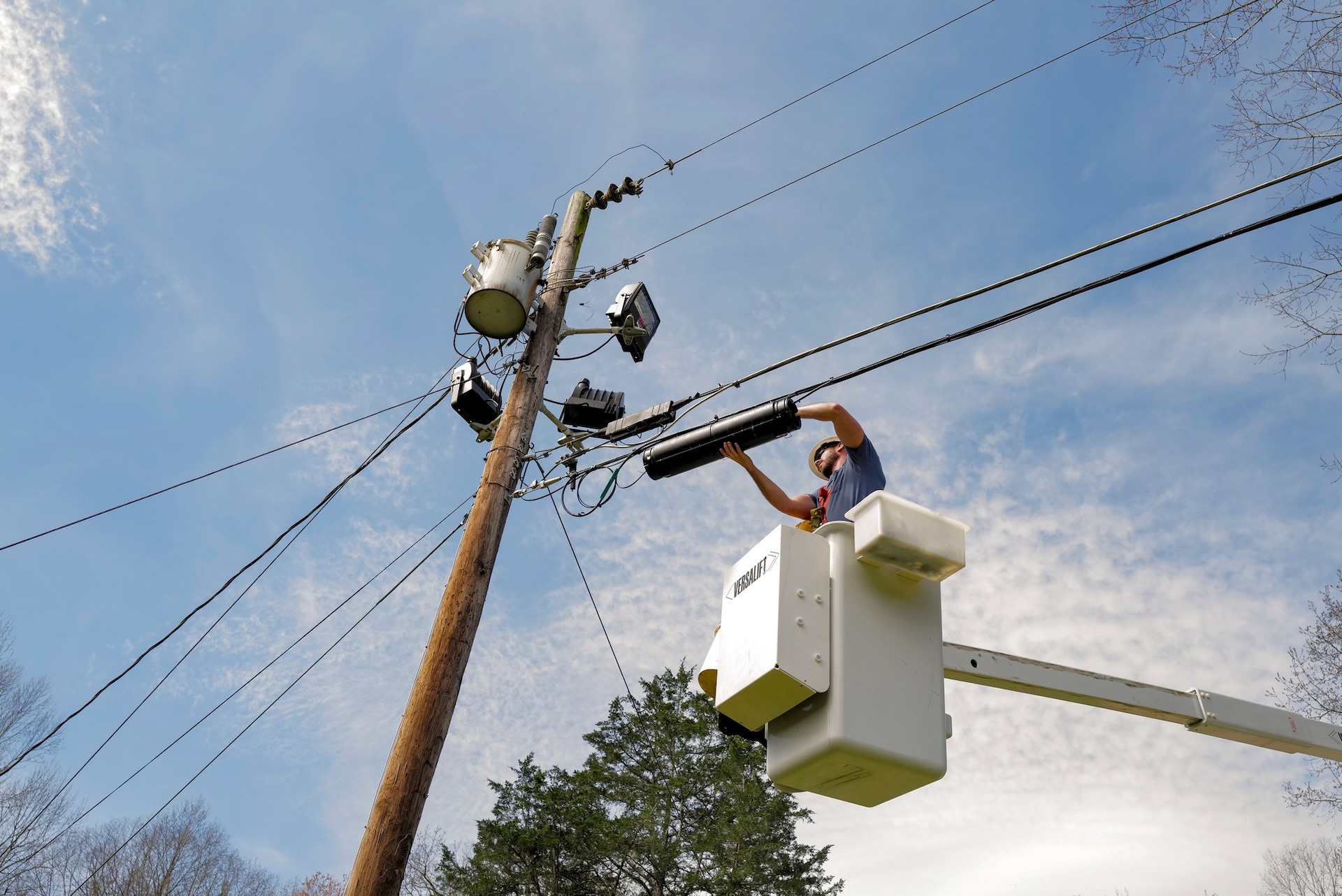
Over the past several years, Tennessee has made historic investments in broadband infrastructure and digital opportunity initiatives, bringing us closer than ever to our goal of ensuring every Tennessean has access to reliable internet service.
When I joined the Tennessee Department of Economic and Community Development (TNECD) as Broadband Program Director in September 2021, my first week on the job brought a transformational opportunity for broadband expansion across Tennessee.
At that time, the Financial Stimulus Accountability Group (FSAG) confirmed a $500 million allocation for broadband through the American Rescue Plan – State and Local Fiscal Recovery Fund (ARPA SLFRF) for infrastructure deployment and broadband adoption initiatives.
Prior to that investment, Tennessee had invested approximately $120 million in broadband deployment through state and federal funding. The new allocation represented a major turning point for broadband infrastructure and digital opportunity efforts across the state.
My new role as Broadband Program Director was to develop a strategy to maximize those investments, expand high-speed internet access as close to 100% as possible and support broadband adoption efforts in communities across Tennessee.
Today, broadband impacts nearly every aspect of daily life. It’s how students complete assignments, how businesses operate, how patients connect with healthcare providers and how families stay connected. Reliable internet is no longer a luxury—it’s essential infrastructure and from the beginning, our focus has been on moving quickly, building strategically and ensuring these investments reached Tennesseans who needed them most.
HISTORIC BROADBAND INVESTMENTS
In summer 2022, Tennessee received an additional $215 million through the American Rescue Plan Capital Projects Fund (ARPA CPF) to support broadband infrastructure and adoption projects.
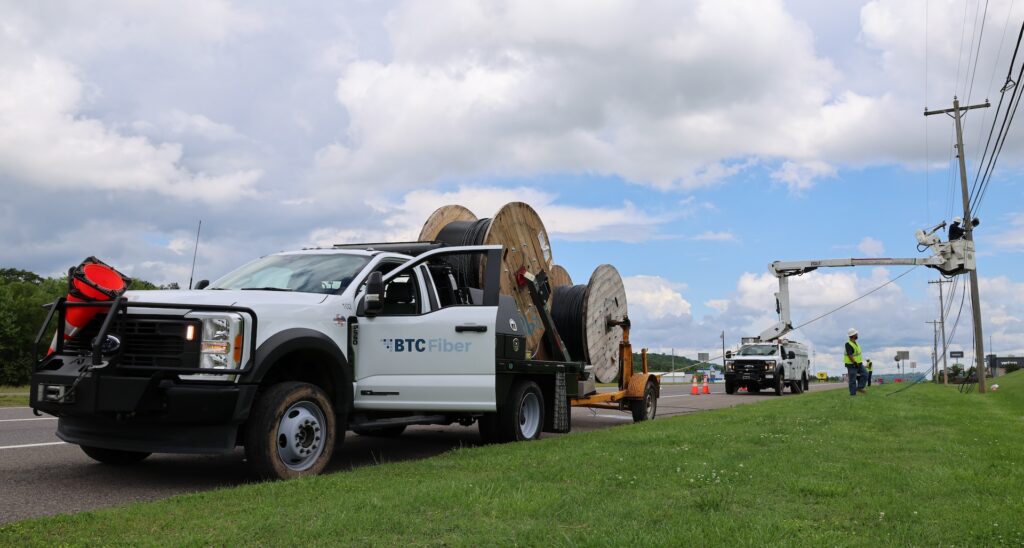
In September 2022, Tennessee announced approximately $440 million in broadband deployment funding to serve more than 125,000 households across the state, the largest broadband deployment investment in Tennessee history
These investments accelerated progress across Tennessee, particularly in rural and underserved communities where access to reliable internet had remained a challenge for years.
As deployment efforts moved forward, they also provided a clearer picture of the work that remained. Geographic barriers, infrastructure gaps and the complexity of serving some of Tennessee’s most remote areas reinforced the need for continued investment, strong partnerships and long-term planning.
The work also highlighted an important reality: building networks is only part of the solution.
Access alone doesn’t guarantee opportunity.
BUILDING MORE THAN INFRASTRUCTURE
As Tennessee expanded broadband availability, we also focused on helping Tennesseans fully participate in the opportunities connectivity creates.
To strengthen long-term broadband infrastructure, Tennessee launched two additional programs through ARPA CPF:
- Middle Mile Program: Focused on strengthening network resiliency and bandwidth capacity in some of Tennessee’s most rural communities.
- Last Mile Program: Targeted unserved areas and incentivized internet service providers to partner with the state to reach households and businesses that still lacked reliable connectivity.
At the same time, Tennessee launched four Digital Opportunity Initiatives designed to ensure residents had the tools, skills and resources needed to benefit from expanded connectivity:
- TCAT Program: Invested $5 million across five Tennessee Colleges of Applied Technology (TCATs) to support workforce development connected to broadband deployment.
- Connected Community Facilities Program: Partnered with local governments to improve connectivity at community facilities supporting workforce development, healthcare, broadband access and digital education.
- Digital Skills, Education and Workforce Development Program: Worked with nonprofit organizations to provide digital skills training within local communities.
- Broadband Ready Communities Program: Supported local projects designed to increase broadband adoption and strengthen community connectivity.
Together, these initiatives reflected Tennessee’s commitment to ensuring broadband investments created meaningful opportunities for residents, not simply new infrastructure.

TENNESSEE’S PROGRESS
In fall 2024, Tennessee began developing the framework for the state’s Broadband, Equity, Access and Deployment (BEAD) Program funded through the Bipartisan Infrastructure Law of 2021. This program represents the next major phase of Tennessee’s broadband strategy and is focused on reaching the remaining unserved areas across the state.
In March 2026, Tennessee announced an additional $200 million investment to serve the remaining 43,000 unserved households and businesses. These projects are expected to begin in summer 2026.
The results of these efforts have been significant.
When Gov. Bill Lee took office in 2019, more than 20% of Tennesseans lacked access to adequate internet speeds. Today, that number has fallen to less than 2%, and Tennessee is on track to achieve statewide broadband availability by the end of 2028.
This progress reflects years of collaboration among state leaders, local communities, internet service providers and countless partners committed to expanding opportunity across Tennessee.
LOOKING AHEAD
As Tennessee continues its “Road to 100,” our goal is about more than broadband infrastructure.
It’s about ensuring every Tennessean—regardless of zip code—has access to the opportunities that connectivity makes possible.
Whether it’s a student attending class online, a farmer using precision agriculture technology, a small business reaching customers around the world or a patient connecting with a healthcare provider, broadband is helping shape Tennessee’s future.
The work isn’t quite yet finished (although we are close), but the progress we’ve made demonstrates what’s possible when state government, local communities, providers and partners work together toward a common goal.
We’re closer than ever to ensuring that every Tennessean has a connection to opportunity.